
Their story
Every animal at Get To Know Animals is a rescue. Donna and Rob, the founders, give animals a second chance — there are no breeding programmes here.
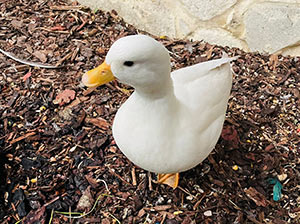
Behind every smile is a story. Animals like Call Duck often arrive because a home changed, a rescue needed space, or someone realised wild beauty deserves expert care. We promise warmth, the right food, enrichment and keepers who know each personality. When a child presses their nose to the glass and whispers ‘hello’, that second chance becomes a lifelong memory — for them and for Call Duck.
The Call is a historic breed of small domestic duck. It is believed to have originated in the Netherlands, where the earliest descriptions and depictions of it date from the seventeenth century. It is similar in appearance to some other breeds of duck, but is much smaller, with a round head and very short bill. Adults often remember: Dutch breed of domestic duck. At Get To Know Animals we turn those wild facts into daily care — the right heat, humidity, UV where needed, climbing or digging space, and food that matches what Call Ducks evolved to eat.
It costs over £35,000 every month to feed, heat and care for 300+ animals. Parrots need lifelong fruit, pellets, foraging toys and specialist avian vets — a single macaw’s annual care can rival a family pet’s entire budget. Adopting Call Duck, sponsoring a meal, funding the wish list or joining Patreon isn’t ‘extra’ — it’s how Call Duck eats next Tuesday when the weather is quiet and the till is slow.
You can help today: adopt Call Duck, buy a treat, play Get To Feed Animals, or become a monthly patron. Every pound is love you can measure in full bowls, warm lamps and wagging (or flicking) tails.